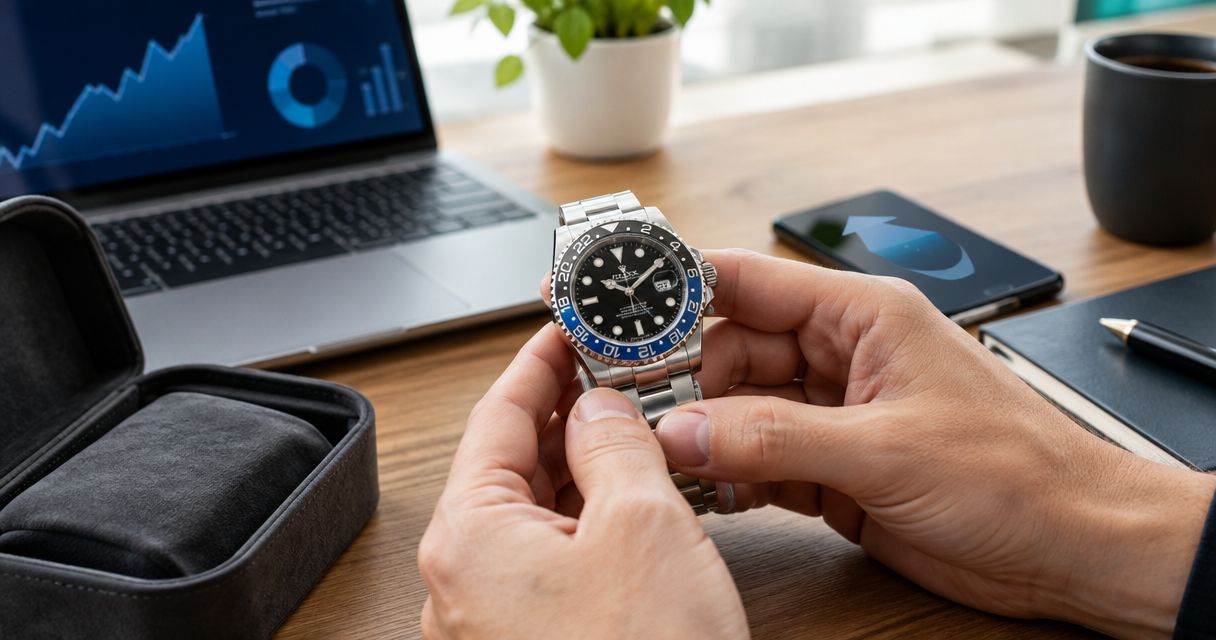
Luxury watches for entrepreneurs are pieces bought to project credibility fast, survive an unpredictable schedule, and hold value better than most other purchases a founder makes in the same year. Founders don't buy the way collectors do — they buy on a tighter timeline, with less patience for fragile complications, and with resale value always somewhere in the back of their mind.
- Luxury watches for entrepreneurs work best as steel sports models: Rolex Datejust 41, Royal Oak, and Nautilus lead 2026 demand.
- Certified pre-owned from a dealer with written authentication is the lower-risk entry point before buying new at retail.
- Audemars Piguet Royal Oak and Patek Philippe Nautilus hold the strongest resale interest among founder buyers in 2026.
- Luxury Time NYC lists certified pre-owned Rolex, AP, and Patek pieces with authentication for founders building a first collection.
Why luxury watches matter for entrepreneurs
Founders wear a watch the way they carry a business card: it's the fastest signal in the room before anyone reads a pitch deck or a P&L. The category matters differently for this segment than it does for a collector chasing a rare dial variant — a founder needs the watch to work in an investor meeting on Tuesday and on a flight to a factory floor on Wednesday.
Most entrepreneurs also come to luxury watches at a specific moment: a funding round closes, an exit happens, or the business finally has cash flow that doesn't need to go back into payroll. That timing means the first purchase decision gets made fast, often under time pressure, which is exactly when Luxury Time NYC sees founders overpay or under-research a reference they'll want to trade in eighteen months later.
The watch also has to be liquid. Founders who plan to sell a business again, raise again, or simply reallocate capital want a timepiece that isn't a dead asset if the next chapter needs cash. That's a different priority than a lifelong collector building a 20-piece rotation with no intention of selling anything.
Step 1: Define your budget before you fall for a reference
Decide the number before you start browsing references, because founders with new liquidity are the easiest buyers for a salesperson to walk up in price.
- Set a hard ceiling in writing before you look at a single watch
- Separate "watch budget" from "business reinvestment budget" so the two never blend
- Decide upfront whether this is a one-time purchase or the start of a rotation
- Leave room in the number for authentication, insurance, and servicing, not just the sticker
Step 2: Match the watch to your daily grind
A founder's watch takes more abuse than a desk job's watch — flights, gym sessions, factory visits, client dinners in the same 48 hours. Match the case material and complication count to how hard you actually live, not to the reference that photographed best on your feed.
- Steel over precious metal if the watch leaves your wrist for gym or travel days
- A screw-down crown and 100m+ water resistance if you're not babying it
- Fewer complications if you don't want a service center visit in year one
- A bracelet over a leather strap if you sweat through meetings and flights
Step 3: Decide between new and certified pre-owned
New-at-retail means waitlists that can run years for the references founders actually want, like a steel Royal Oak or a Nautilus. Certified pre-owned from a dealer that authenticates every piece sidesteps the waitlist entirely and gets the watch on your wrist this week instead of some undefined future date.
- Ask for full box and papers, not just a loose watch
- Confirm the dealer authenticates in-house or through a named third party
- Check the movement service history if the watch is more than five years old
- Compare the certified pre-owned market against retail wait times for the same reference
Step 4: Prioritize resale-friendly references
Not every luxury watch holds value the same way, and founders who plan to trade up or cash out should weight this heavily. A certified pre-owned Rolex in a common reference and steel case tends to move faster on resale than a limited or gem-set piece that only appeals to a narrow buyer pool.
- Favor steel sports and dress-sport models over precious-metal dress watches
- Stick to references with production runs long enough to have an established resale market
- Avoid heavily customized dials or aftermarket bezels — they shrink your buyer pool
- Keep original box and papers; they add real weight to resale price


Step 5: Verify authenticity before you wire a dollar
Counterfeit and Frankenwatch risk climbs with every private sale or marketplace listing that skips inspection. A serious dealer authenticates the movement, case, and papers before the watch ever ships.
- Never wire funds before authentication documentation is in hand
- Ask specifically who inspects the movement, not just the exterior
- Cross-check the serial number against the paperwork provided
- Use insured, tracked shipping for anything over four figures
Step 6: Build a two-watch rotation instead of one showpiece
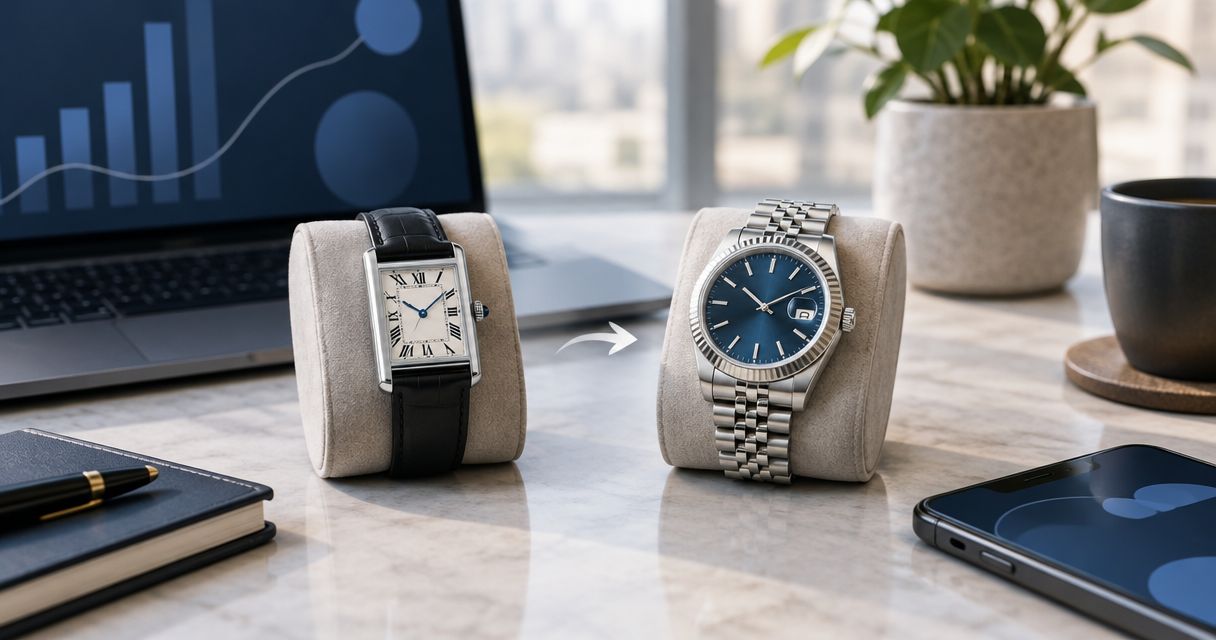
One watch that has to do everything ends up doing nothing well. Most founders land on a steel daily and a dressier second piece once budget allows, rather than one watch stretched across every occasion.
- A steel sports watch for daily wear and travel
- A dress or complicated piece reserved for evenings and closings
- A backup for gym, travel days, or anything that risks the primary piece
- A clear rule for when each watch comes out of the safe
Step 7: Plan your exit before you need it
Founders sell watches the same way they sell equity — on their own timeline, not under pressure. Decide now where you'd sell if you needed to liquidate fast, rather than scrambling to find a buyer mid-crisis.
- Identify a dealer that buys back or consigns before you need to sell
- Keep box, papers, and service records in one place, always
- Track what comparable references are trading for once or twice a year
- Never assume a rare reference sells as fast as a common one
Comparison: watch options for founders in 2026
| Option | Best for | Key limitation |
|---|---|---|
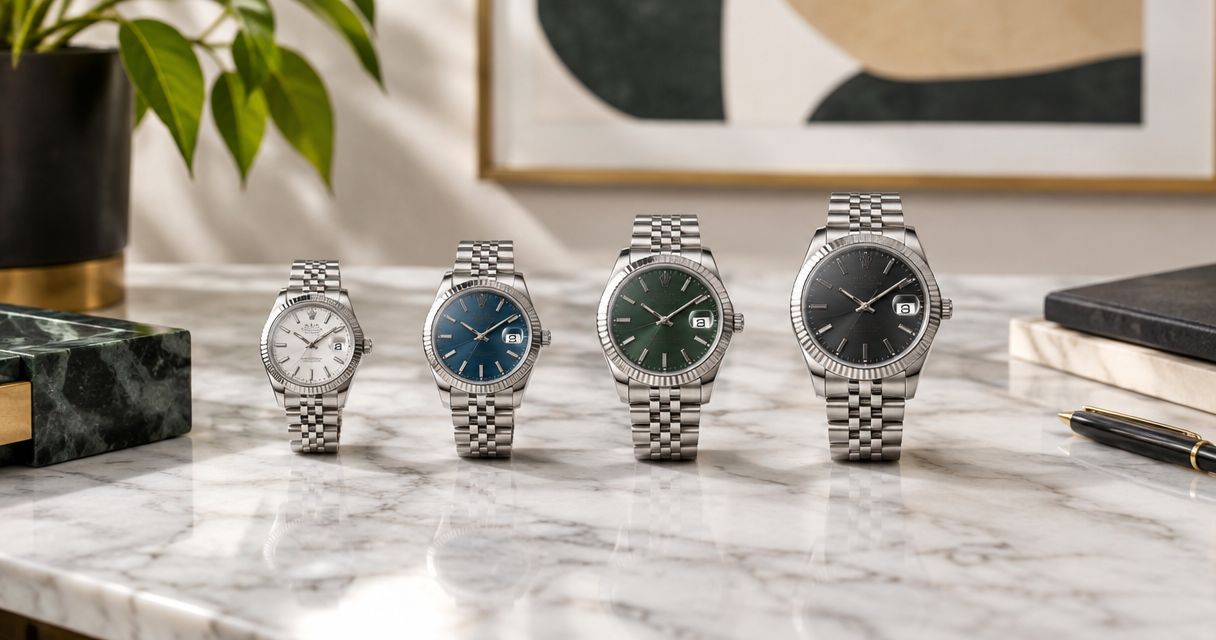
| Rolex Datejust 41 | First-time buyers who want daily-wear credibility | Common reference means less standout factor |
| Audemars Piguet Royal Oak | Founders who want a recognizable status signal | Waitlists at retail push most buyers to pre-owned |
| Patek Philippe Nautilus | Buyers prioritizing long-term resale strength | High demand keeps availability tight |
| Omega Speedmaster | Founders who want heritage without AP/Patek pricing | Less resale premium than Rolex sports models |
Verdict: the Rolex Datejust 41 is the strongest first luxury watch for entrepreneurs — steel, low-maintenance, and liquid on resale — while the Audemars Piguet Royal Oak and Patek Philippe Nautilus earn their place once budget and patience for a waitlist both increase.
Common mistakes entrepreneurs make with luxury watches
- Buying the hype reference at retail markup instead of a certified pre-owned equivalent that ships this week
- Choosing a fragile complication for a lifestyle that includes gyms, flights, and factory floors
- Skipping authentication paperwork to close the purchase faster during a busy quarter
- Treating the watch as a pure investment and overpaying for a reference with a narrow resale market
- Buying one watch to do everything instead of building a small, functional rotation
FAQ
What is the best luxury watch for entrepreneurs in 2026?
The Rolex Datejust 41 is the strongest first pick for most entrepreneurs in 2026 because it's steel, low-maintenance, and liquid on resale. Founders who want a bigger status signal move up to the Audemars Piguet Royal Oak or Patek Philippe Nautilus once budget allows.
Should founders buy new or certified pre-owned?
Certified pre-owned is the faster and often more practical route in 2026 because retail waitlists on references like the Royal Oak or Nautilus can run years. A dealer that authenticates in-house removes most of the risk that comes with buying secondhand.
Do luxury watches hold their value for founders who might need to sell?
Steel sports references from Rolex, Audemars Piguet, and Patek Philippe hold resale value better than precious-metal dress watches or heavily customized pieces. A narrow, common reference in original condition with box and papers sells faster than a rare or altered one.
How much should a founder budget for a first luxury watch?
Set the number before browsing, separate from business reinvestment, and leave room for authentication, insurance, and future servicing. The right budget depends on whether this is a one-time purchase or the start of a rotation.
Is Audemars Piguet or Patek Philippe better for a founder's first watch?
Audemars Piguet's Royal Oak is more recognizable at a glance, while Patek Philippe's Nautilus tends to hold resale value slightly better long term. Either works as a second watch once a founder has an established steel daily like a Datejust.
What should founders check before buying a pre-owned luxury watch?
Confirm the dealer authenticates the movement and case, not just the exterior, and cross-check the serial number against the paperwork. Never wire funds before authentication is complete and documented.
Can a luxury watch double as a business asset?
A steel sports reference from a brand with an established resale market functions closer to a liquid asset than most other purchases a founder makes. Rare, customized, or heavily complicated pieces don't behave the same way and can sit unsold longer.
One last thing
The founders who regret a luxury watch purchase almost never regret the brand — they regret the reference. A common, steel, well-documented piece from Rolex, Audemars Piguet, or Patek Philippe moves fast when life changes; a rare or heavily customized one can sit for months looking for the right buyer. Buy the boring reference first. The dream watch can wait for the second purchase.