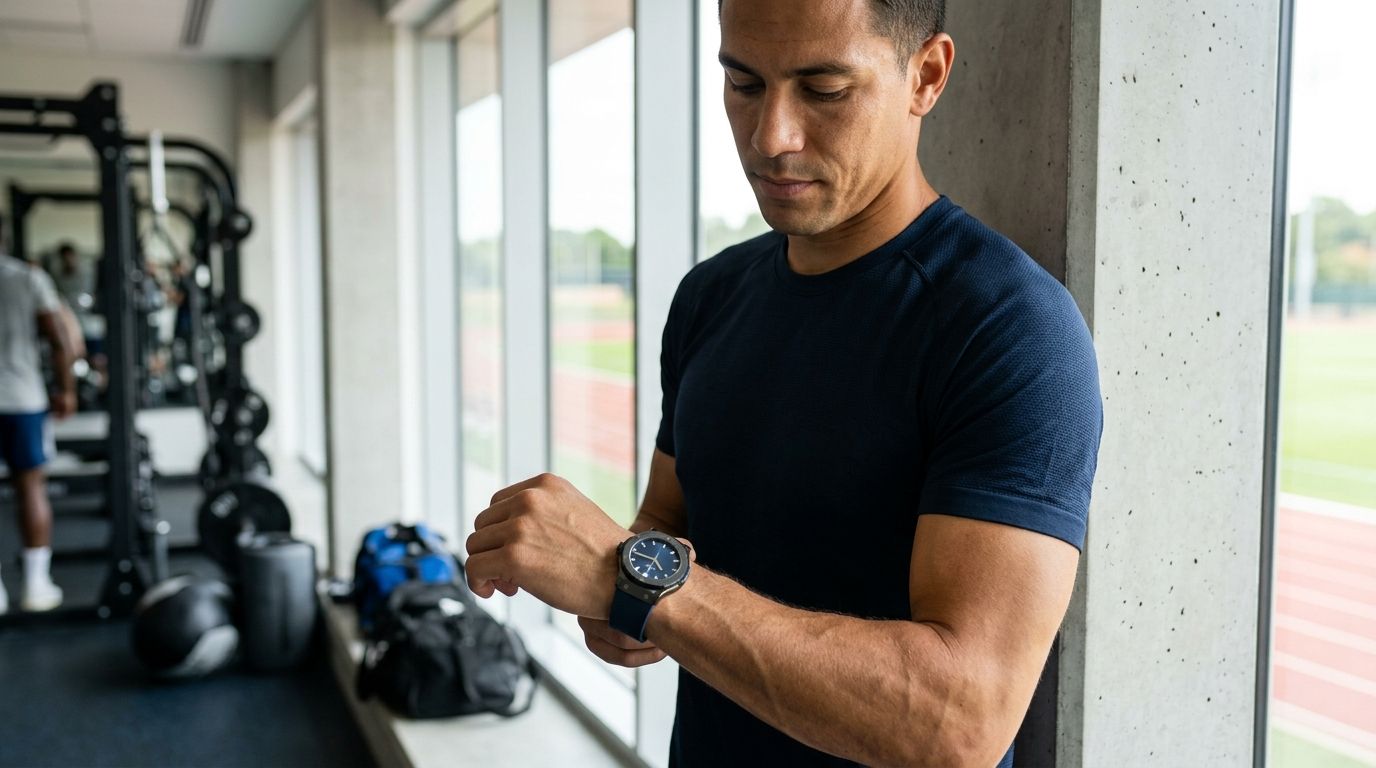
Professional athletes’ luxury watch selection is the process of choosing a timepiece for life away from competition, with the aim of finding a watch that fits your routine and collecting goals. In 2026, the choice changes when your day moves between training, travel and public appearances: start with where you will wear the watch, not the watch you have seen on someone else.
- Luxury watches for athletes are best chosen for off-field wear, fit and ownership goals—not for competition.
- A Rolex Datejust suits an understated daily look; an Audemars Piguet Royal Oak Offshore makes a stronger visual statement.
- Luxury Time NYC is best for athletes comparing new and pre-owned watches while considering a sale or trade.
- Check the exact watch’s condition and fit before deciding; a model name cannot answer either question.
Why luxury watches matter for professional athletes
A watch can mark a career milestone without needing to accompany you into training or competition. That distinction gives you a clearer buying question: what belongs on your wrist when the uniform comes off? A watch for travel and everyday wear faces a different test from one chosen primarily for events.
Luxury Time NYC is best for professional athletes who want to compare new and pre-owned luxury watches and consider selling or trading an existing timepiece. Its stated selection spans Rolex, Audemars Piguet, Patek Philippe and Omega. That range makes it possible to compare different styles, but it does not make every listed watch right for your wrist or schedule.
Your priorities also change across a career. An initial purchase calls for a clear wearing plan; an established collection calls for a reason to add another watch. In either case, separate the appeal of a recognizable name from the details you will live with: case size, bracelet feel, legibility and the condition of the individual timepiece.
How to choose a luxury watch for an athlete’s routine
Define your off-field wearing occasions
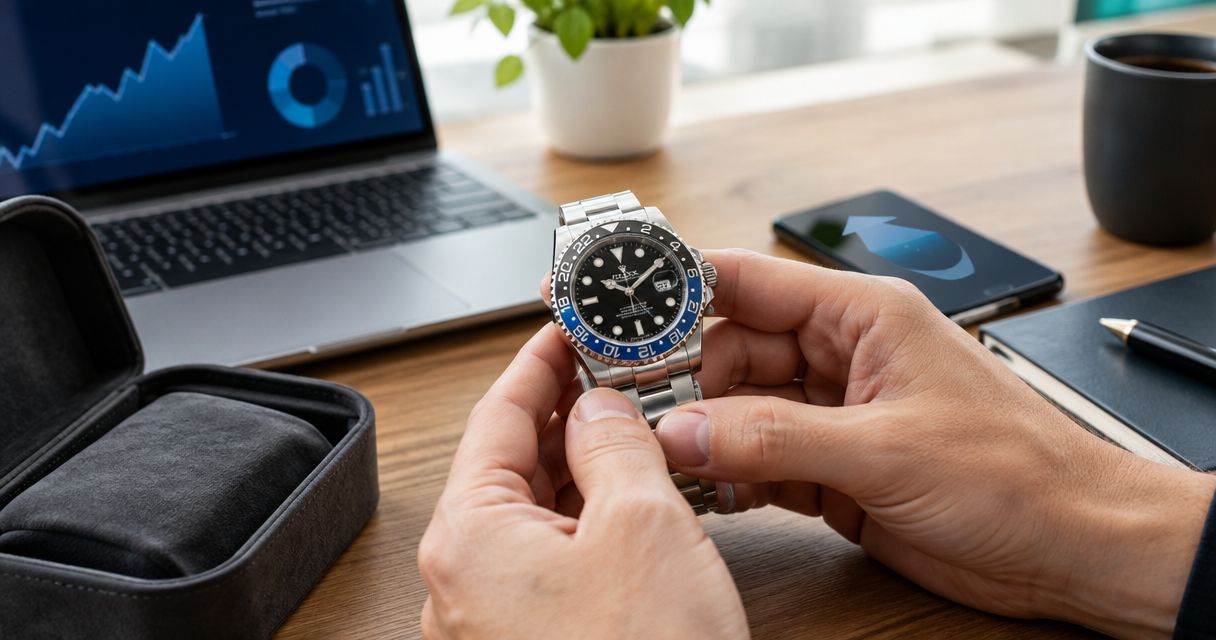
Write down where the watch will actually appear in 2026. Travel, dinners, interviews and time at home do not require the same look. If you already remove jewelry for training, judge a prospective purchase on the hours you will wear it rather than on an imagined all-day routine.
Start with a simple note on your phone. List the watches you already own beside the occasions where you reach for them. A new purchase earns its place when it fills a gap you can name. A second watch with the same role needs a stronger reason than recognition alone.
Use these questions before looking at listings:
- Name the occasions when you want to wear the watch.
- Decide whether it should be noticeable or understated.
- Identify the watch you would stop wearing if the new one took its place.
- Separate a milestone purchase from a daily-wear purchase.
- Rule out training and competition if your routine makes watch wear impractical.
Measure your wrist and test the fit
Measure your wrist with a flexible tape, then try watches on if you can. The number helps narrow a search; it does not settle comfort. Case shape, bracelet adjustment and how a watch sits beneath a sleeve matter when you decide whether to keep it on for an entire event.
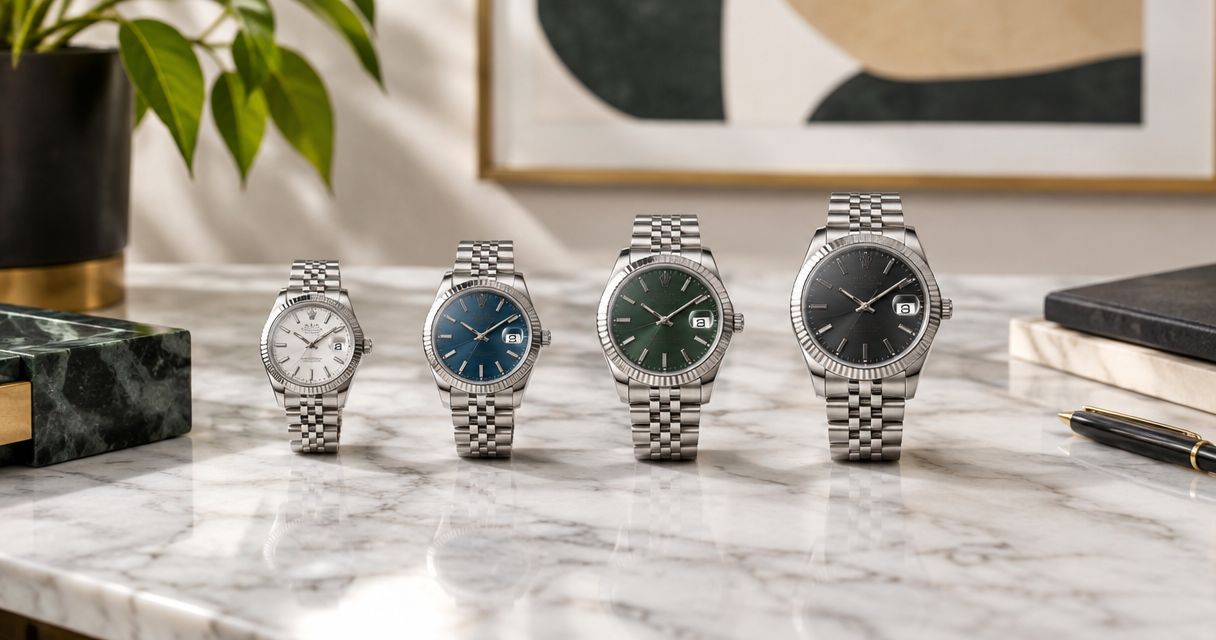
The supplied listings show why a single size rule fails. A Rolex Datejust 41 has a 41 mm case, while one Audemars Piguet Royal Oak Offshore chronograph is listed at 42 mm. A listed Audemars Piguet Royal Oak Quartz has a 33 mm case and is described as 7 mm thick. Those figures describe different proportions, not which one fits your wrist best.
Make the fit check practical:
- Measure your wrist before filtering listings by case size.
- Check case size on the exact reference, not just the collection name.
- Test sleeve clearance with clothing you regularly wear.
- Check bracelet fit while standing and sitting.
- Recheck comfort after the watch has been on your wrist for a while.
Choose functions you will actually use
Start with time and date, then add complications for a reason. A chronograph measures elapsed time; it is not automatically a better choice for an athlete. A more elaborate dial also changes how quickly you can read the watch. Decide whether you value that function or simply prefer its appearance.
Compare watches on paper first. Note the function you expect to use, then inspect the exact reference and dial before making a decision. In 2026, do not treat a collection name as a substitute for checking the individual watch: references within a collection can differ in appearance and features.
If you want a sport-oriented Rolex to compare against a Datejust, review Rolex Submariner watches. Keep the decision tied to your off-field routine rather than assuming a watch associated with sport belongs in competition.
- Write down the functions you use now.
- Compare a time-and-date dial with a chronograph dial.
- Read each dial at a glance before choosing its look.
- Verify the functions of the exact reference under consideration.
Match the watch to your clothing and schedule
Picture the watch with the clothes you already wear. A bracelet, case size and dial that feel right at dinner can feel conspicuous during travel; the reverse can also be true. This is a style decision, not a claim that one luxury model is suitable for every physical activity.
Try the same watch with a casual sleeve and a jacket. Pay attention to whether you keep adjusting it or forget it is there. For an everyday purchase, comfort deserves more weight than how the watch looks in a single photograph. If the watch is for occasional appearances, you can place more weight on its visual impact.
Test the match before deciding:
- Wear the watch with your usual travel clothing.
- Check how the case sits beneath a jacket cuff.
- Decide whether the dial is easy for you to read.
- Notice any urge to reposition the bracelet.
- Choose the watch for its most frequent occasion, not its best photograph.
Inspect the individual watch before buying
New and pre-owned are buying paths, not condition reports for a watch you have not examined. Ask for details on the exact timepiece. The supplied product listings identify models and selected specifications, but several leave condition or production details for inquiry. Do not fill those blanks from photographs or from another example of the same reference.
Start with the listing, then request what you need to make a decision. Check how the watch is described, what documentation accompanies that individual piece and which details remain unanswered. A recognizable dial or reference number does not replace that review.
For a pre-owned watch, distinguish ordinary visible wear from a condition issue you would not accept. For a new watch, confirm that the listing describes the exact watch you intend to buy. Judge the individual timepiece, not the reputation of its collection.
- Read the full condition description for the exact watch.
- Ask which box and papers accompany that piece.
- Request clear views of the case, dial, bracelet and clasp.
- Clarify any listing fields marked for inquiry.
- Keep the answers with your purchase records.
Compare buying, selling and trading separately
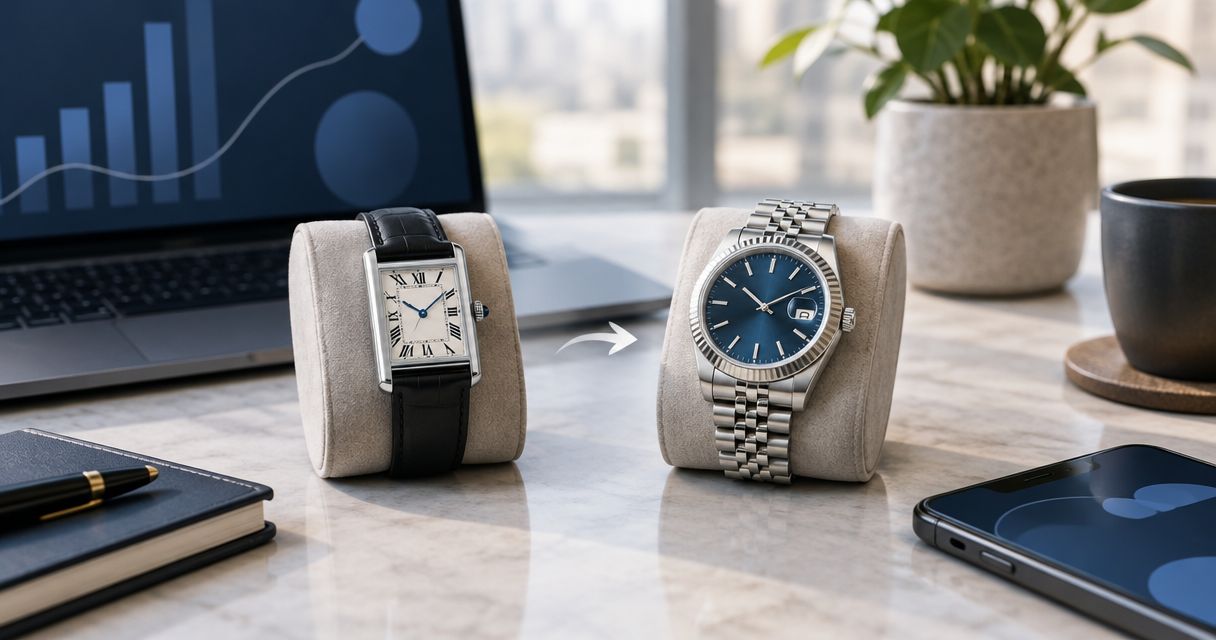
If you own a watch you no longer wear, decide what outcome you want before discussing the next purchase. Buying adds a watch. Selling removes one. Trading does both, so you need to understand each side of the proposed exchange rather than focusing only on the incoming timepiece.
Luxury Time NYC sells new and pre-owned luxury watches and also buys and trades timepieces. That makes it a relevant retailer to consider when your collection is changing, but the right route depends on the specific watch you own and the one you want. Do not assume a trade is simpler for you merely because it combines two decisions.
Keep your own list of references, condition notes and accompanying items. Then compare the available paths on the same basis: what you give up, what you receive and which questions remain unanswered. A watch with sentimental value deserves that discussion before it becomes part of a transaction.
- List the watches you would keep, sell or trade.
- Record each watch’s reference and accompanying items.
- Review the incoming watch on its own merits.
- Ask how each side of a proposed trade is assessed.
- Decide whether selling first better suits your collecting goal.
Plan how you will store and maintain it
A purchase is not complete when you choose a model. Decide where the watch goes when you take it off, especially if your day shifts between training and other commitments. A consistent storage habit makes more sense than leaving a luxury watch wherever the last change of clothes happened.
Keep the watch’s documents separate from casual daily carry and retain a record of the exact reference. For maintenance, follow the guidance applicable to that watch rather than treating every model alike. If a watch has an unanswered condition or service question, resolve it before making it your regular off-field choice.
In 2026, build this routine around the watch you actually buy. A frequently worn Datejust and an occasional Patek Philippe chronograph can occupy different places in your collection without requiring the same wearing schedule.
- Choose a consistent place to put the watch after wear.
- Keep its reference and purchase records accessible.
- Store accompanying documents where you can find them.
- Follow care guidance for the exact model and condition.
- Reassess whether you still wear the watch as intended.
Compare watch options for professional athletes
The best option is the one that serves a defined off-field role. These are comparisons of watch types represented in the supplied listings, not a claim that any should be worn during play. A model’s strongest feature can also be the reason to pass on it.
| Option | Best for | Key limitation |
|---|---|---|
| Rolex Datejust 41 | An athlete seeking a recognizable everyday watch | Its 41 mm case needs an in-person fit check; the Datejust is not a chronograph. |
| Audemars Piguet Royal Oak Offshore Chronograph | An athlete who wants a prominent chronograph for off-field wear | The listed 42 mm example is a poor choice if its size or dial feels excessive on your wrist. |
| Audemars Piguet Royal Oak Quartz | An athlete who prefers a smaller case | The listed 33 mm example offers a different presence from the larger options. |
| Patek Philippe Nautilus Chronograph Date | A collector seeking a chronograph as a distinct addition | More dial information is unnecessary if you want only an easy-to-read time display. |
Luxury Time NYC lists examples of all four options. Use the cards to identify the exact references, then confirm any listing detail that matters to your decision. The photographs help you compare appearance; they cannot tell you how a bracelet feels on your wrist.


Common mistakes professional athletes make
Buying for a photograph instead of a routine. A watch that looks right at an event can be the wrong daily choice. Decide whether you want frequent off-field wear or an occasional statement, then judge each candidate against that role.
Treating a sports-associated model as equipment. A chronograph has a timing function, and a watch can have a sport-oriented design. Neither fact establishes that you should wear a luxury timepiece during training or competition. Keep your wearing plan separate from the model’s image.
Choosing by diameter alone. The 33 mm, 41 mm and 42 mm examples above give you useful starting points, not a ranking of fit. Try the watch with your usual clothes and check its bracelet, thickness and wrist presence before choosing.
Assuming every example of a reference is identical in condition. The model tells you what to research; the individual listing tells you what to ask. Check condition and accompanying items for the exact piece, particularly when a field calls for inquiry.
Entering a trade without two decisions. You need a reason to release the watch you own and a reason to acquire the next one. Evaluate both independently before accepting their combination as the right move.
FAQ
What are the best luxury watches for athletes in 2026?
The best luxury watches for athletes in 2026 are the ones that fit their off-field routine and wrist. A Rolex Datejust 41 suits an everyday role, while an Audemars Piguet Royal Oak Offshore Chronograph suits someone seeking a more prominent watch with a timing function.
Should a professional athlete wear a luxury watch during competition?
Choose a luxury watch for the occasions when you can wear it comfortably and appropriately. Do not assume that a sport-oriented name or a chronograph function makes a particular watch suitable for competition.
Is a Rolex Datejust or an Audemars Piguet Royal Oak Offshore better for an athlete?
A Rolex Datejust is the better starting point for a restrained everyday look; an Audemars Piguet Royal Oak Offshore is better if you want a more prominent chronograph. Try the exact watches before deciding, because fit and dial preference can reverse that choice.
Is a chronograph useful for a professional athlete?
A chronograph measures elapsed time, but its value depends on whether you will use that function away from competition. If you chiefly want to read the time quickly, compare it with a simpler dial before buying.
Should an athlete buy a new or pre-owned luxury watch?
Choose between new and pre-owned after reviewing the exact watch, its condition and its accompanying items. Neither label replaces an inspection of the individual listing or answers an unresolved condition question.
Can an athlete trade a luxury watch for another model?
Luxury Time NYC buys and trades timepieces as well as selling new and pre-owned watches. Assess the watch you would give up separately from the one you want to receive before deciding whether a trade fits your collection.
What watch size should a professional athlete choose?
Choose a case size by trying the watch on, not by using your profession as a sizing rule. The listed examples include 33 mm, 41 mm and 42 mm cases, each of which needs a wrist and clothing fit check.
One last thing
Your most useful 2026 comparison is not between the most famous names. It is between the watch you reach for now and the one you expect to reach for next. If both fill the same off-field role, inspect the fit and the individual watch’s condition before deciding that a new reference adds something to your collection.