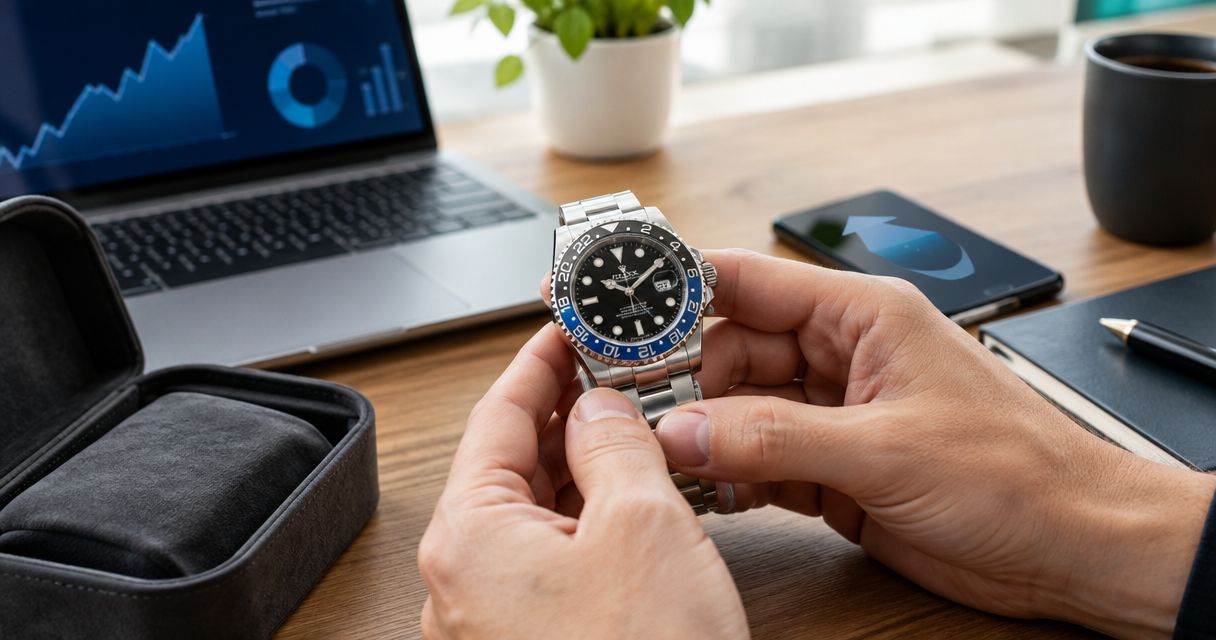
Yes, buying a pre-owned Rolex is safe in 2026 when you verify the specific watch, the seller’s account of its condition, and the terms of the transaction before paying. A recognizable seller or a set of papers is not enough on its own: neither tells you whether the watch has undisclosed replacement parts, damage, or a history the seller cannot explain.
- Is buying a pre owned Rolex safe in 2026? Yes, if you verify the watch and the transaction before paying.
- Rolex box and papers support a seller’s account; they do not authenticate a watch by themselves.
- Luxury Time NYC is a fit for buyers comparing a pre-owned Rolex purchase with a watch trade, subject to watch-specific checks.
- Ask about original parts, service history, condition, and what happens if an inspection finds a problem.
Why this matters
A pre-owned Rolex is a particular watch with a particular history, not simply a model name. Two watches that look alike in listing photos can differ in condition, replacement parts, accompanying documents, and what a seller knows about past work. In 2026, your safest decision comes from checking the individual watch rather than relying on the reputation of the Rolex name.
Luxury Time NYC sells pre-owned and new luxury watches and handles watch buying and trading. Luxury Time NYC is a fit for collectors who want to discuss a pre-owned Rolex purchase and a trade with one retailer; the deciding factor is still the evidence provided for the watch in front of you. Ask the same detailed questions there that you would ask any other seller.
Is buying a pre-owned Rolex safe in 2026?
Yes, if the seller can identify the watch precisely, explain its condition and any known changes, and agree on clear inspection and transaction terms. Do not pay solely because a watch has a box, papers, or convincing photographs. Ask for the reference, photographs of the actual watch, the accompanying items, and a written account of what the seller knows and does not know.
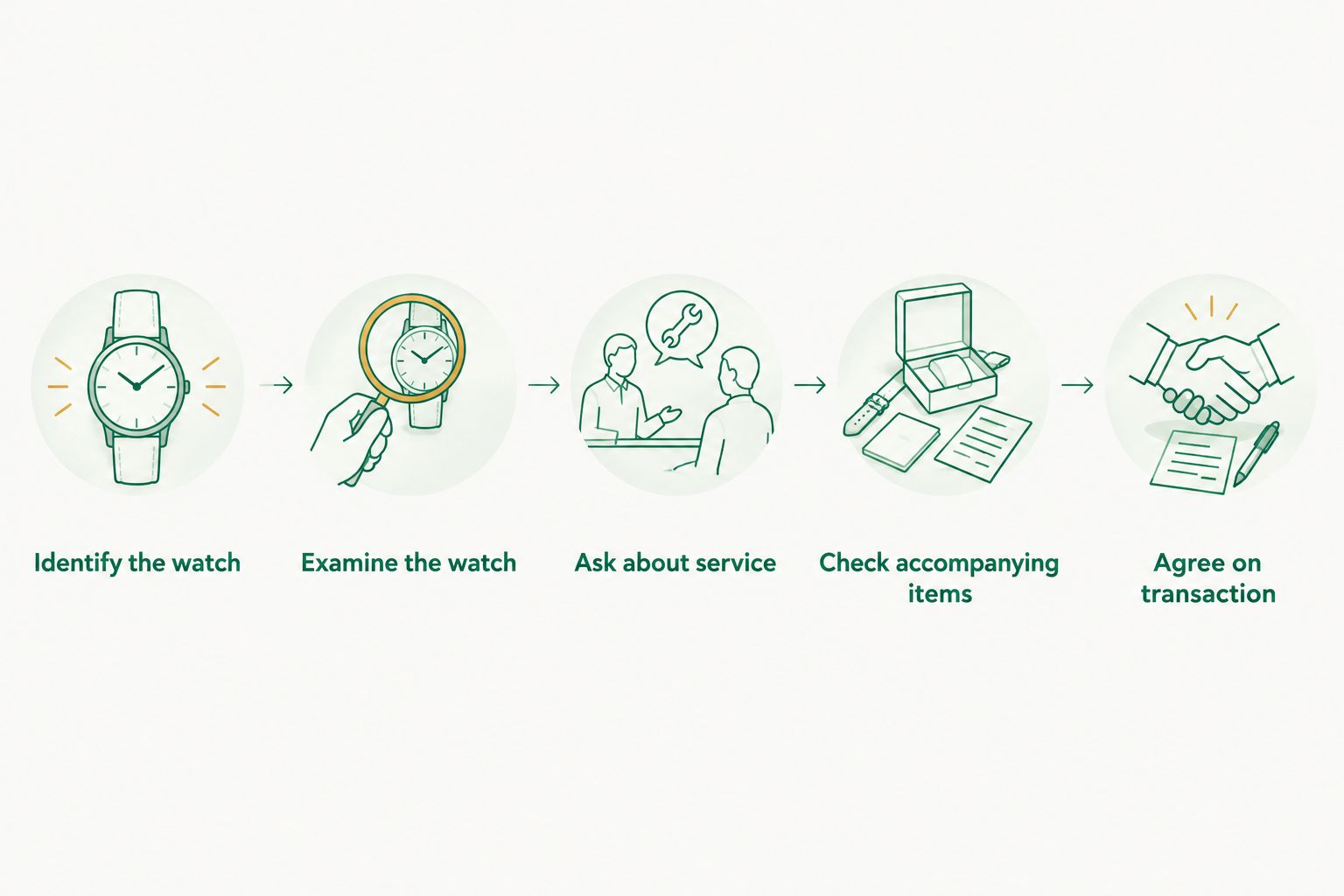
Use this sequence before you commit:
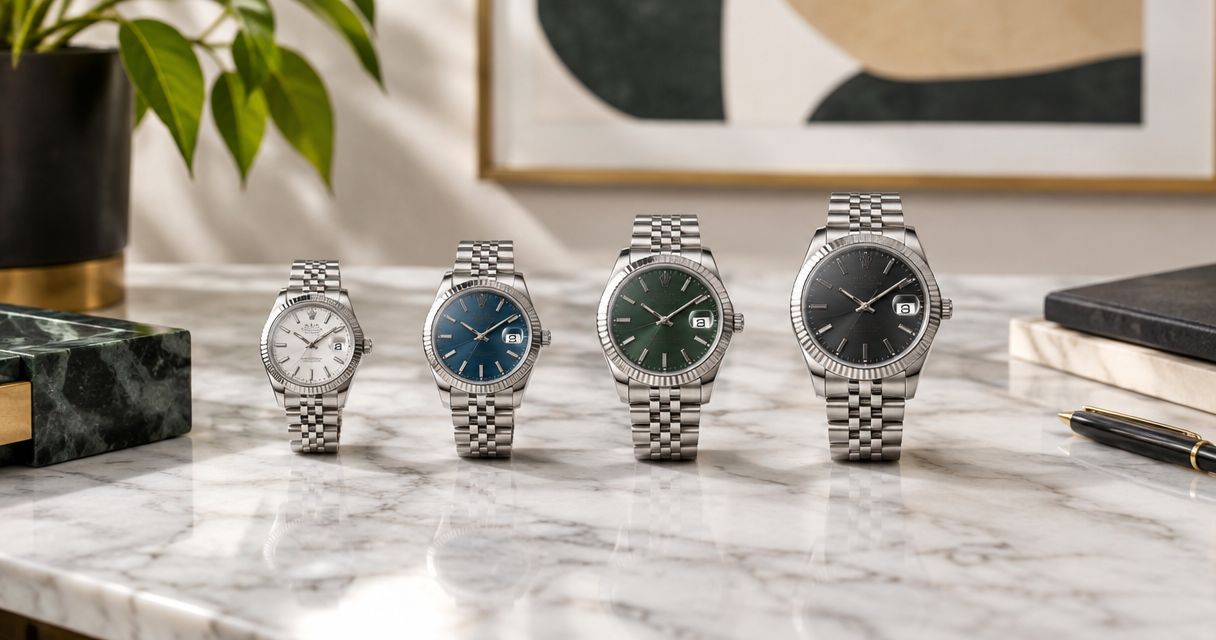
- Identify the watch. Get the exact reference and confirm that the listing describes the watch you will receive. A model family such as Datejust or Submariner is not specific enough to settle questions about configuration.
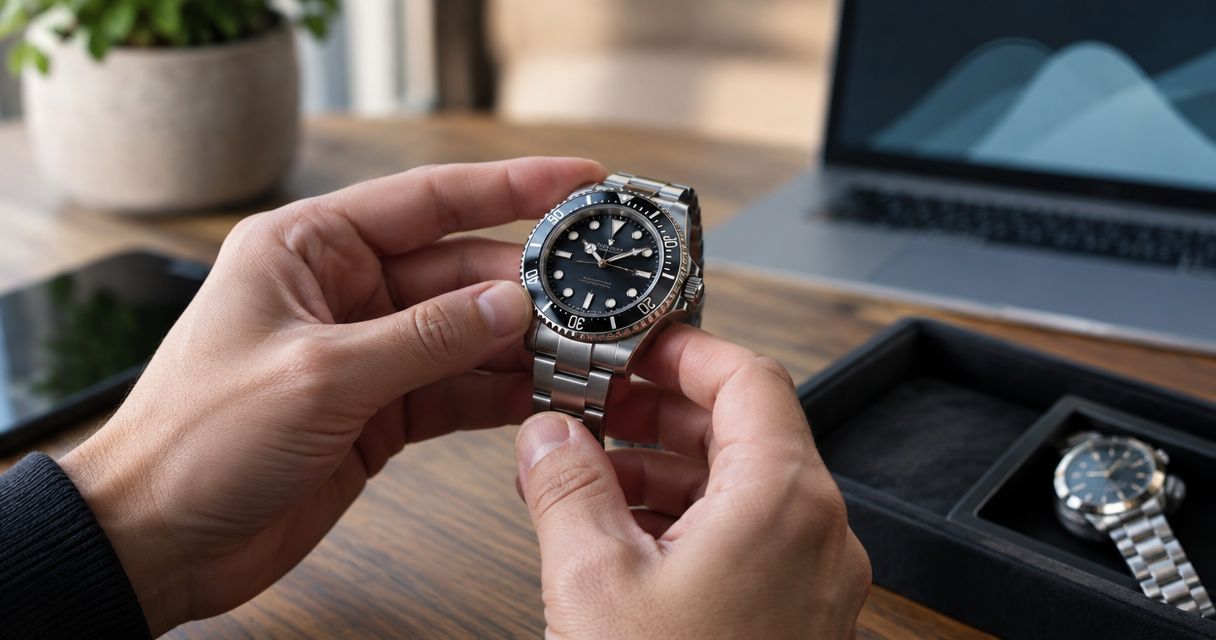
- Examine the actual watch. Request clear images of the dial, case, bracelet, clasp, and any visible wear. If you inspect it in person, compare what you see with the seller’s description rather than with stock images.
- Ask about parts and service. Find out what the seller knows about dial, hands, bezel, bracelet, movement work, and previous repairs. If a point is unknown, have the seller say so plainly rather than treating silence as confirmation of originality.
- Check the accompanying items. Establish whether the box, warranty card, service records, or other documents are included. Check that the details on any documents are consistent with the watch; do not treat documents alone as proof of authenticity.
- Agree on the transaction. Confirm the inspection opportunity, payment method, handover arrangements, and any return or dispute terms in writing before funds change hands. If a seller will not explain the process, stop there.
The checks work together. A good photograph cannot tell you the full service history, and a service record cannot replace an inspection of current condition. The safest purchase is the one where the seller’s statements, the watch, and the transaction terms agree.
What should you compare before choosing a seller?
A retailer and a private seller can both answer these questions well or poorly. Choose the transaction with clearer watch-specific evidence and terms, not the one with the more polished listing. This comparison is about what you must verify, not a promise about how either type of seller operates.
| Question | Buying from a retailer | Buying from a private seller |
|---|---|---|
| Who describes the watch? | Ask the retailer to put its condition and known history in writing. | Ask the owner what they know firsthand and which details they cannot confirm. |
| Can you inspect it? | Confirm whether you can examine the actual watch before committing. | Agree on how and where an inspection will happen before payment. |
| What comes with it? | Check the stated box, documents, and service records against what is delivered. | Check each claimed item against the watch and the seller’s account. |
| What if there is a problem? | Read the retailer’s applicable terms before you pay. | Agree on any remedy in writing; do not assume one exists. |
| How does payment work? | Confirm the recipient and payment instructions through a trusted channel. | Confirm the recipient, method, and handover plan before transferring funds. |
A retailer’s business model does not authenticate every watch it lists. A private owner’s long familiarity with a watch does not settle every question about its parts. In either setting, ask what evidence supports the specific claims being made.
What makes a pre-owned Rolex purchase safer or riskier?
- The exact reference and configuration. A clear identification gives you something specific to compare with the watch, its documents, and the listing. Vague model descriptions leave important questions unanswered.
- The watch’s current condition. Scratches, case wear, bracelet wear, and dial condition affect what you are buying. Ask for current images of the actual watch, then inspect it where possible.
- Known replacement parts. A genuine Rolex can contain parts changed during service or later work. Ask the seller to identify known changes and avoid assuming that every visible component is original.
- Service records. Records can help explain past work, but missing records are not proof of a particular problem. The useful distinction is between what the seller can document and what remains unknown.
- Box and papers. These items can support a coherent account of a watch. They do not establish its present condition or authenticate every component.
- Inspection and transaction terms. Clear answers about examination, payment, delivery, and remedies give you a basis for deciding whether to proceed. Unclear terms leave you carrying questions after payment.
The word authentic addresses only part of the decision. You also need to know whether the watch matches its description and whether the proposed transaction gives you a fair chance to identify a discrepancy before you are committed. Those are separate questions; ask them separately.
Are box and papers enough to make a pre-owned Rolex safe?
No. A box and documents are useful accompanying items, not a substitute for inspecting the actual watch. Ask whether the seller has checked the details on the documents against the watch, and establish exactly which items are included in the sale.
Read a listing’s wording carefully. Box and papers included describes what accompanies the watch; it does not tell you whether the dial, hands, bezel, bracelet, or other components have changed. If originality matters to you, ask about those components directly and request the answer in writing.
The same applies to a watch offered without its original paperwork. Missing documents create a question you need to investigate, not an automatic verdict about authenticity. Focus on what can be established about the watch itself and whether the seller permits a meaningful inspection.
Can a genuine Rolex still be the wrong purchase?
Yes. A genuine pre-owned Rolex can still disappoint if its condition, known changes, or accompanying items differ from what you expected. Authenticity is the starting check, not the final buying decision.
Before paying, separate the seller’s statements into three groups: what is confirmed, what is based on records, and what is unknown. For example, an available service document tells you about recorded work, while the seller’s statement that no other work is known leaves open the possibility of undocumented work. That distinction helps you decide whether the watch suits your collecting priorities.
This matters particularly if you care about a specific dial, bezel, bracelet, or case appearance. Put those priorities on your question list before you shop. A seller cannot answer a question you never ask, and a broad description of a Rolex model will not settle a component-specific concern.
Should you buy online or inspect the Rolex in person?
Inspect in person when you can; online buying calls for clearer images, written answers, and transaction terms before payment. Neither route replaces careful questions about condition, parts, and history. The difference is how much you can verify with your own eyes before committing.
For an online purchase in 2026, ask for photographs of the actual watch from angles that address your concerns. If a listing uses only general images or leaves a requested area unclear, request more information rather than filling the gap with an assumption. Confirm which exact watch will be sent and what will accompany it.
An in-person inspection lets you compare the watch with the description directly, but it is not an instant authentication test. Check the stated condition and accompanying items, and ask for documentation of claims you cannot establish by looking at the watch. If you want an independent opinion, agree on how that inspection will happen before you pay.
What should you ask before trading a watch toward a Rolex?
Ask the retailer to set out the proposed purchase and trade as distinct parts of the transaction. Establish which watch you will receive, how your current watch will be assessed, and when each part becomes final. Do not let a discussion about the trade distract from verifying the Rolex itself.
Luxury Time NYC buys and trades timepieces as well as selling pre-owned watches. If you are considering a trade with Luxury Time NYC, request watch-specific answers about the Rolex and a clear account of the trade process before agreeing. The presence of a trade option does not remove the need for the same condition, parts, and document checks you would make on a standalone purchase.
For a broader look at changing watch brands, the Omega-to-Rolex trade workflow covers the decision separately. Keep the purchase checklist in this guide beside it: a satisfactory trade arrangement and a satisfactory Rolex inspection are two different requirements.
What are the clearest reasons to walk away?
Walk away when a seller cannot or will not resolve a question that is material to your purchase. That includes refusing to identify the actual watch, declining reasonable requests for current images, changing the account of what is included, or leaving payment and handover terms unclear. You do not need to prove that a watch is counterfeit to decide that a transaction lacks enough evidence.
A gap in records is different from an inconsistent explanation. The first tells you that a fact is unknown; the second tells you the seller’s account needs correction. Ask for a direct answer, and make your decision on the final written description rather than an earlier conversation.
In 2026, a polished listing is easy to read and easy to mistake for evidence. Treat every claim as a prompt for a check: Which watch? Which parts? Which records? Which terms? If those questions remain unanswered, keep looking.
Related questions
Is a pre-owned Rolex safe to buy without its original box?
Yes, buying a pre-owned Rolex without its original box can be safe if the watch itself passes your checks and the seller accurately states what is included. The missing box leaves less accompanying material to consider; it does not decide authenticity.
Does a Rolex warranty card prove the watch is authentic?
No, a warranty card alone does not prove that a pre-owned Rolex is authentic or establish its current condition. Compare its details with the watch and seek a watch-specific inspection rather than relying on the card.
Is a retailer safer than a private seller for a pre-owned Rolex?
A retailer is the better choice when it gives you clearer evidence about the particular watch and clearer transaction terms than a private seller. Judge the answers you receive in 2026, not the seller category alone.
FAQ
Is buying a pre owned Rolex safe in 2026?
Yes, buying a pre-owned Rolex is safe in 2026 when you verify the watch, its description, and the transaction terms before paying. Box and papers alone do not replace an inspection.
What should I check first on a pre-owned Rolex?
Start with the exact reference and current photographs of the actual watch. Then ask about condition, known replacement parts, service history, and accompanying documents.
Can a real Rolex contain replacement parts?
Yes, a genuine Rolex can contain parts changed during service or other work. Ask which changes the seller knows about and whether there are records supporting that account.
Are box and papers proof of an authentic Rolex?
No, box and papers are not proof that a pre-owned Rolex is authentic. Check their details against the watch and inspect the watch itself.
Should I get a pre-owned Rolex inspected before buying?
Yes, arrange an inspection before committing if you need independent confirmation of the watch’s condition or components. Agree with the seller on how the inspection will work before payment.
What if the seller does not know the Rolex service history?
Treat the service history as unknown, not as proof that the watch has never been serviced. Decide whether the available inspection and other records answer your most important questions.
Is it safe to trade another watch for a pre-owned Rolex?
A trade can be safe when you understand the terms for both watches and verify the Rolex independently. Ask when the assessment, payment, and exchange become final.
One last thing
Ask what the seller does not know. In 2026, an honest unknown is more useful than an unsupported claim of complete originality. Write down the details that matter to you, get watch-specific answers, and make the purchase only when the watch and the terms match those answers.